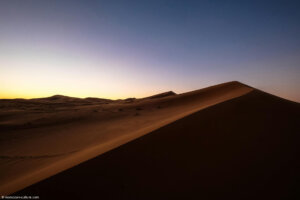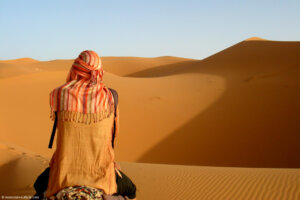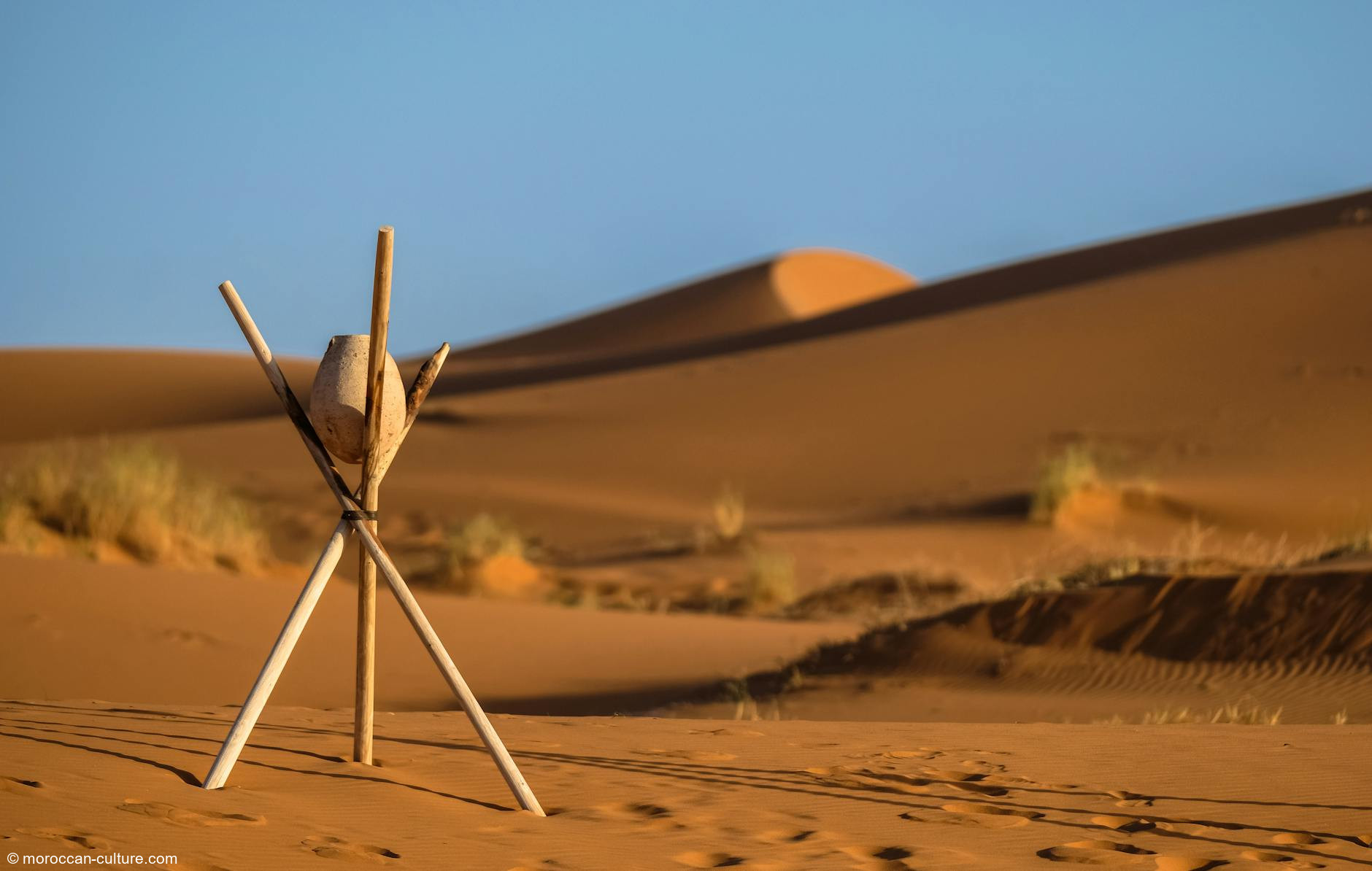
The Moroccan Sahara is unforgettable when you plan it honestly. The dunes, camps and sunrise moments are special, but the journey also involves long drives, heat, cold nights and choices between different desert gateways.
This guide focuses on route planning for desert travelers who want the Sahara without surprises.
Choose the Right Desert Gateway
Merzouga and Erg Chebbi are best for classic dunes and overnight camps. Zagora is easier from Marrakech but less dramatic, making it better for travelers with limited time.
Do not choose only by price. The distance, camp quality and time in the dunes matter more than a cheap headline.
How Many Nights?
Two nights from Marrakech is rushed for Merzouga. Three or four days gives you time for valleys, kasbah stops and a less exhausting return.
If your schedule is short, choose Agafay or Zagora instead of pretending Merzouga is nearby.
Camp Comfort and Safety
Ask what is included: private tent, bathroom, dinner, breakfast, camel or 4x4 transfer, heating and luggage handling. Desert camps vary widely.
Bring water, layers, sunscreen, a flashlight and a power bank. Small preparation makes the night smoother.
Best Season for Desert Travel
October to April is the most comfortable period for many travelers. Daytime temperatures are easier to manage, but nights can still be cold, especially in December and January.
Summer desert trips are possible but demanding. If you travel then, choose experienced operators, avoid midday activity and expect heat to shape the entire schedule.
What to Expect on the Road
The journey is part of the Sahara experience. Routes often pass through the High Atlas, Dades or Draa Valley, kasbah towns and long stretches of open landscape before the dunes appear.
Bring patience and do not judge the trip only by the camp night. The road explains the geography that makes the desert feel so remote.
Choosing a Desert Route
For most first-time visitors, Merzouga is the stronger choice for big dunes and classic Sahara scenery, but it requires more road time. Zagora is easier from Marrakech for shorter trips, though the landscape is more stony and less dramatic. If you only have one night, be honest about how much driving you can enjoy.
A two-night desert trip usually feels better than a one-night dash because it gives you time for sunset, sunrise, a slower camp evening and fewer hours trapped in a vehicle each day.
Packing for the Sahara
Bring sunglasses, sunscreen, a scarf, comfortable shoes, warm sleepwear and a small bag for the camp night. Desert temperatures can swing sharply between day and night, so layers matter more than heavy luggage.
For photography, protect your phone or camera from sand and keep batteries warm at night. Sunrise and sunset are the best times for soft color, while midday light can be harsh.
Final Takeaway
The Sahara is worth the journey when the route fits your time. Choose Merzouga for dunes, Zagora for a shorter taste, and always respect the distances.
For adventure ideas, see our Sahara adventure planner.