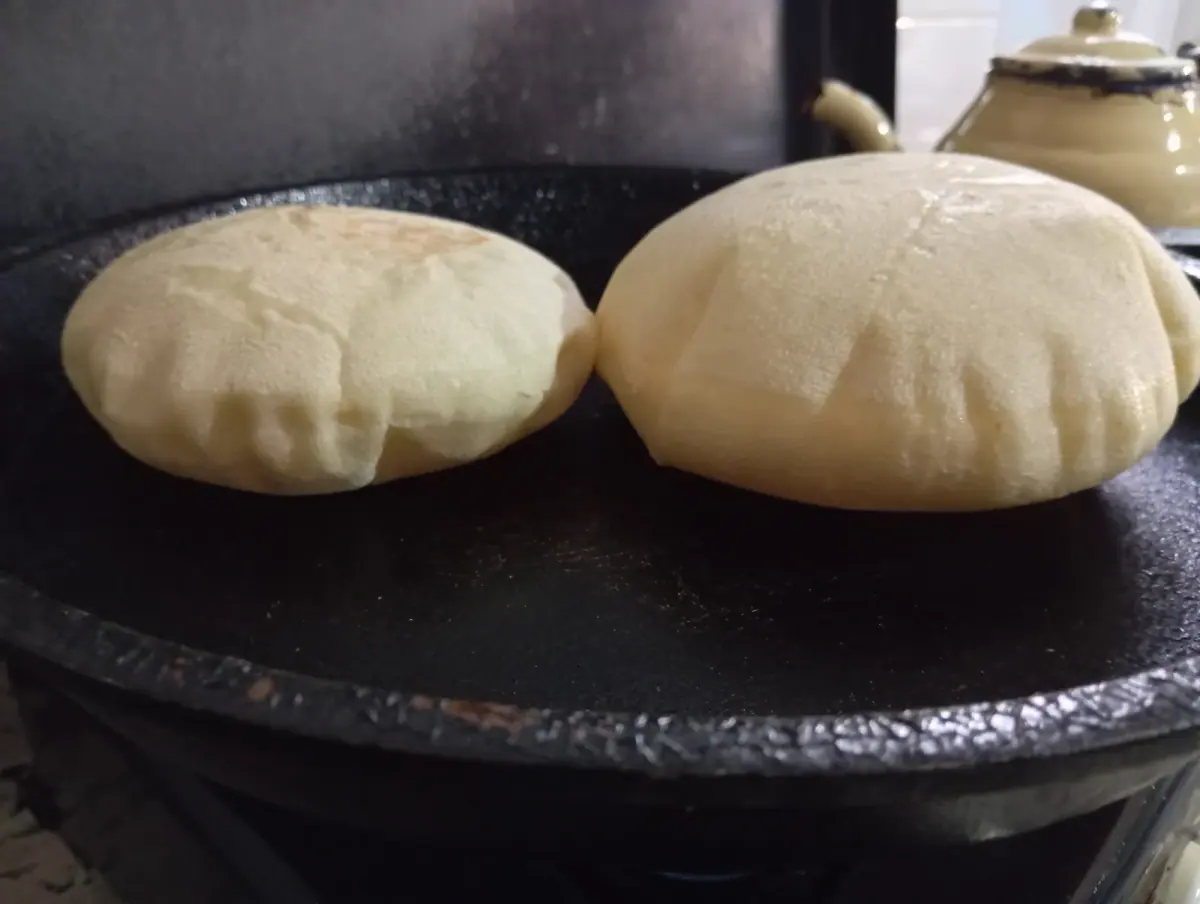
Batbout is a Moroccan stovetop bread, often made with fine semolina and wheat flour; pocket pita is commonly baked in a very hot oven. Both can open into a pocket for fillings. The useful differences are the flour blend, cooking method and bread you want around your lunch. Pita can also be cooked in a skillet, so “pan versus oven” is a starting point, rather than a rule that identifies every bread.
If you’re choosing at a bakery, ask whether the round opens for stuffing. If you’re choosing a recipe, start with your equipment. A pan of batbout and a batch of oven-baked pita organize your cooking time quite differently.
Batbout and pocket pita at a glance
Here, “pita” means the pocket style. Check the actual bread when shopping: the name alone doesn’t promise an opening for stuffing.
| What matters? | Moroccan batbout | Pocket pita |
|---|---|---|
| Typical flour choice | Wheat flour with fine semolina or durum flour in many recipes | Wheat flour; white, whole-wheat and mixed-flour recipes exist |
| Common cooking method | Pan or griddle, turning during cooking | Hot oven and baking surface; skillet methods also exist |
| What happens inside? | Can puff and separate into a pocket | The pocket style puffs and separates into two walls |
| What should you compare? | Thickness, softness and the crumb around the opening | Flexibility, pocket size and wall thickness |
| Useful serving choice | Small filled breads, breakfast accompaniments or bread alongside a meal | Stuffed pockets or pieces for scooping dips |
| Best reason to choose it | You want Moroccan pan bread without using an oven | You want pocket bread and have a suitable recipe or bakery version |
The flour and method rows reflect Alia’s batbout preparation and the pita methods in King Arthur Baking’s bread workbook. They describe workable examples, rather than one compulsory formula for either bread.
What changes in the dough and cooking?
Batbout: fine semolina and a pan
Alia’s recipe combines all-purpose flour with fino, or fine semolina. The dough is kneaded, rested, rolled and cut into rounds before cooking in a nonstick pan. Her instructions call for repeated turning as the breads puff and develop brown spots. That is a useful picture of the process if you’ve only encountered batbout already filled at a café.
Fine semolina is an ingredient choice, not just something sprinkled on the outside. When shopping for a recipe, check the requested grind instead of assuming a coarse bag will behave the same way. Our guide to semolina for Moroccan breads explains the labels you may encounter.
Pita: oven heat, with a skillet option
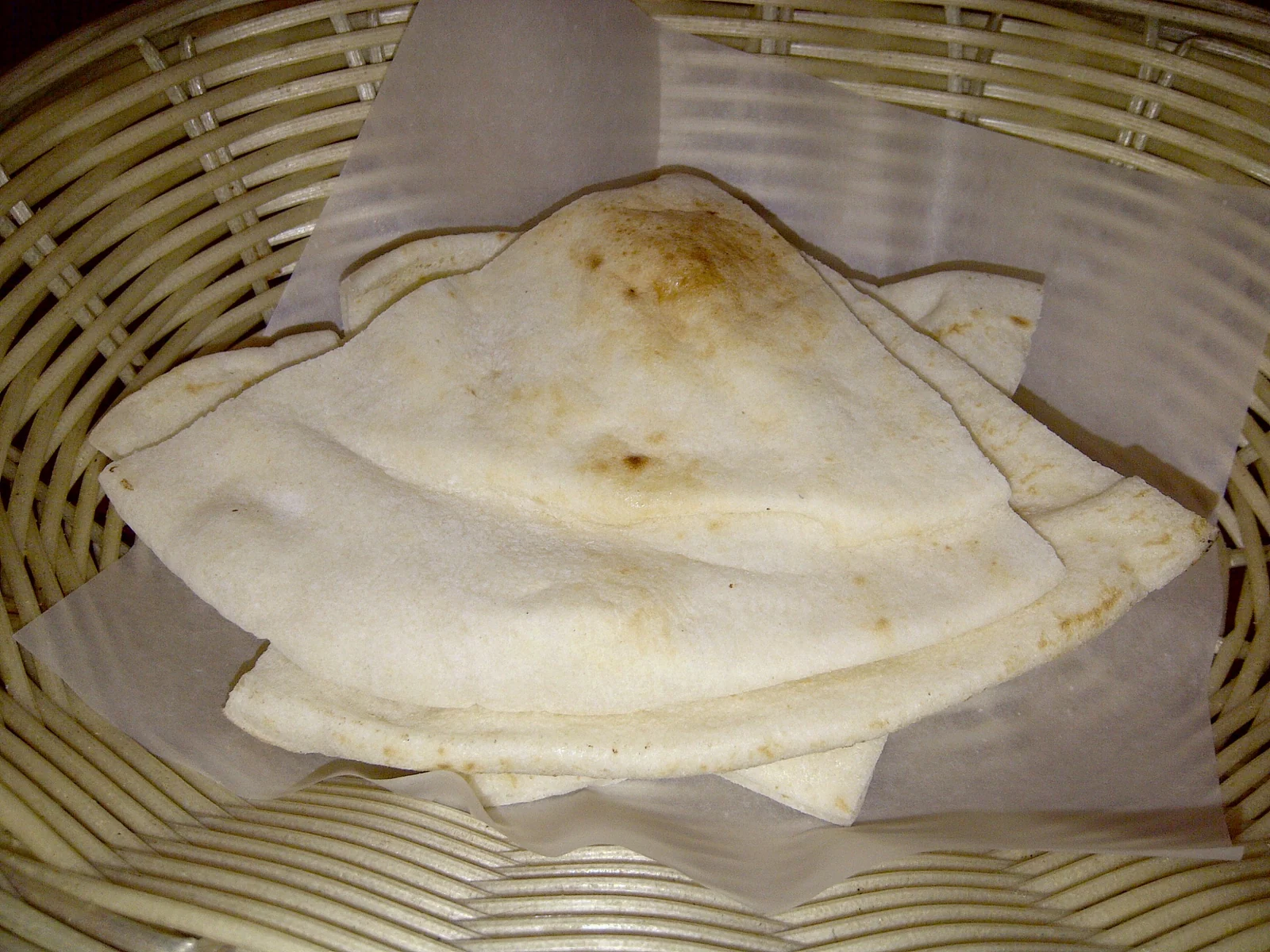
King Arthur’s workbook makes pocket pita from a wheat-flour dough and bakes it on a preheated stone or steel. It also gives a stovetop variation. The important correction is that a skillet doesn’t automatically turn a pita recipe into batbout: the formula and the bread tradition still matter.
For a home cook, the practical choice is workflow. With batbout, you’ll stay near the pan and turn the rounds. With oven pita, you’ll manage preheating and loading. Read the full method before deciding which fits the morning; neither name tells you the total time on its own.
Are the pockets and textures the same?
Both can be filled, but that doesn’t mean every round will hold the same lunch. A small, thick bread and a broad, thin pocket leave different amounts of room for the filling. Compare the bread in front of you rather than expecting a fixed thickness from its name.
Cuisinart’s pita guidance emphasizes smooth dough and a very hot oven and baking pan for a pocket. Those directions belong to that method. Copying its oven setting into a batbout pan recipe won’t give you a meaningful comparison.
If homemade batbout stays flat, the batbout puffing guide helps you check the dough, shaping and pan. For lunch planning, keep a simpler question in mind: does this fully cooked bread open cleanly, or would it work better with something served on top?
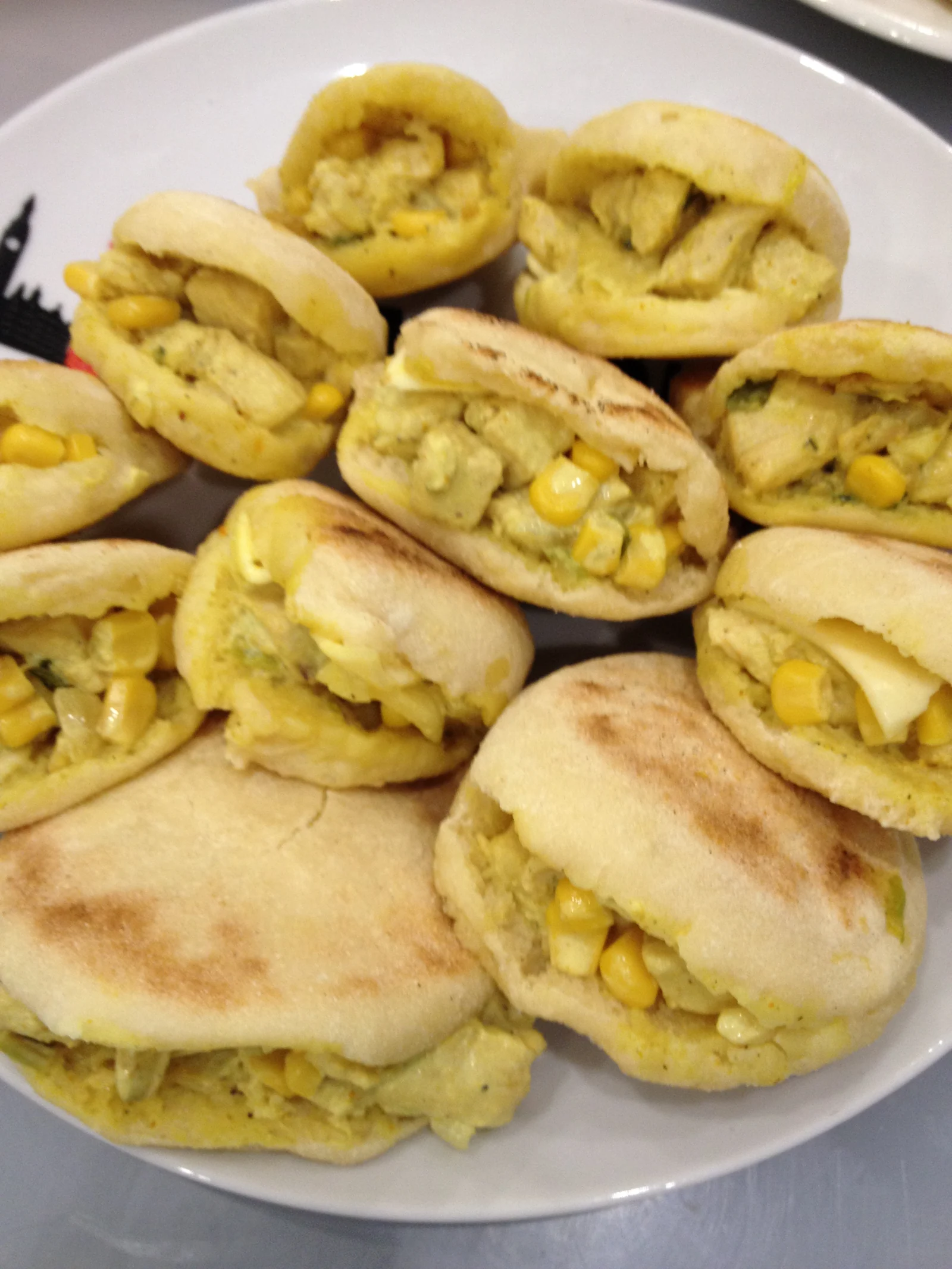
Can you substitute batbout for pita?
Usually, yes, for serving a filling or scooping a dip—provided the bread has the opening or flexibility you need. Treat this as a serving substitution. Swapping ingredients between two dough recipes is a separate decision.
Before buying, check three things:
- Opening: Does it have a pocket, or will you fold or top it?
- Size: Will one round hold your planned portion, or would two small breads be easier?
- Thickness: Do you want a generous bite of bread or more room for the filling?
For example, a recipe telling you to fill one large pita doesn’t tell you how many mini batbout to use. Set out the filling first and portion it across the breads you actually have. This avoids forcing a large sandwich into a small opening.
For breakfast, you may not need a pocket at all. Christine Benlafquih’s batbout guide at Taste of Maroc describes both sandwich uses and accompaniments such as butter, honey and jam. Our Moroccan breakfast guide puts the bread into the wider meal.
Choose your bread for today’s meal
Open the option closest to what you’re making. These are serving suggestions, so adjust them to your bread and appetite.
I want a small filled lunch
Choose batbout if you want small Moroccan pan breads, or pocket pita if that is what your bakery sells. Open one before preparing the whole batch of fillings. Add a modest portion first; you can serve the rest alongside it.
I want bread for breakfast
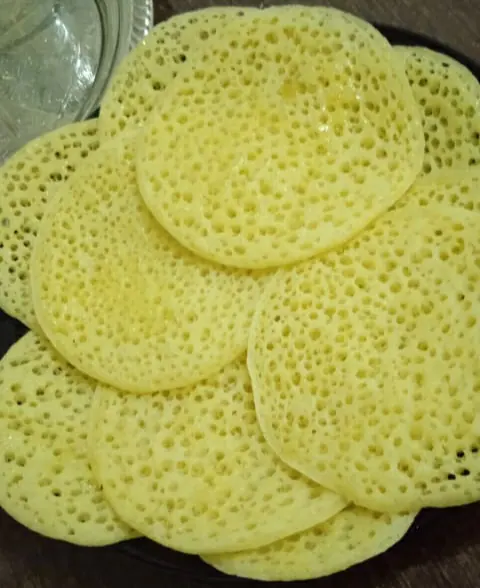
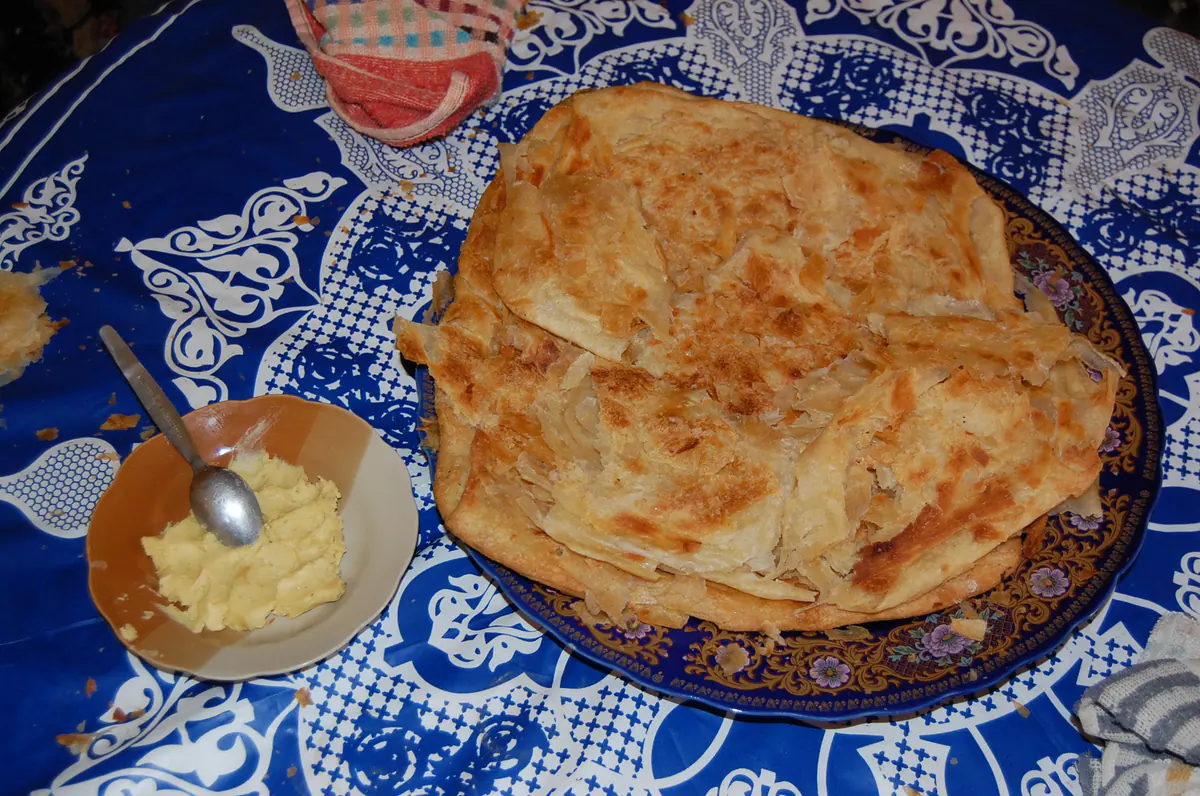
Batbout is a useful choice when you want a soft pan bread with an accompaniment. Put toppings on the table separately so each person can choose. If you're comparing it with layered msemen or hole-covered baghrir, use the Moroccan breakfast bread comparison.
I want bread beside dips
Either can work. Choose by the texture and portion you enjoy, rather than buying a pocket you won't use. Serve a few pieces first and leave the remaining bread whole until needed.
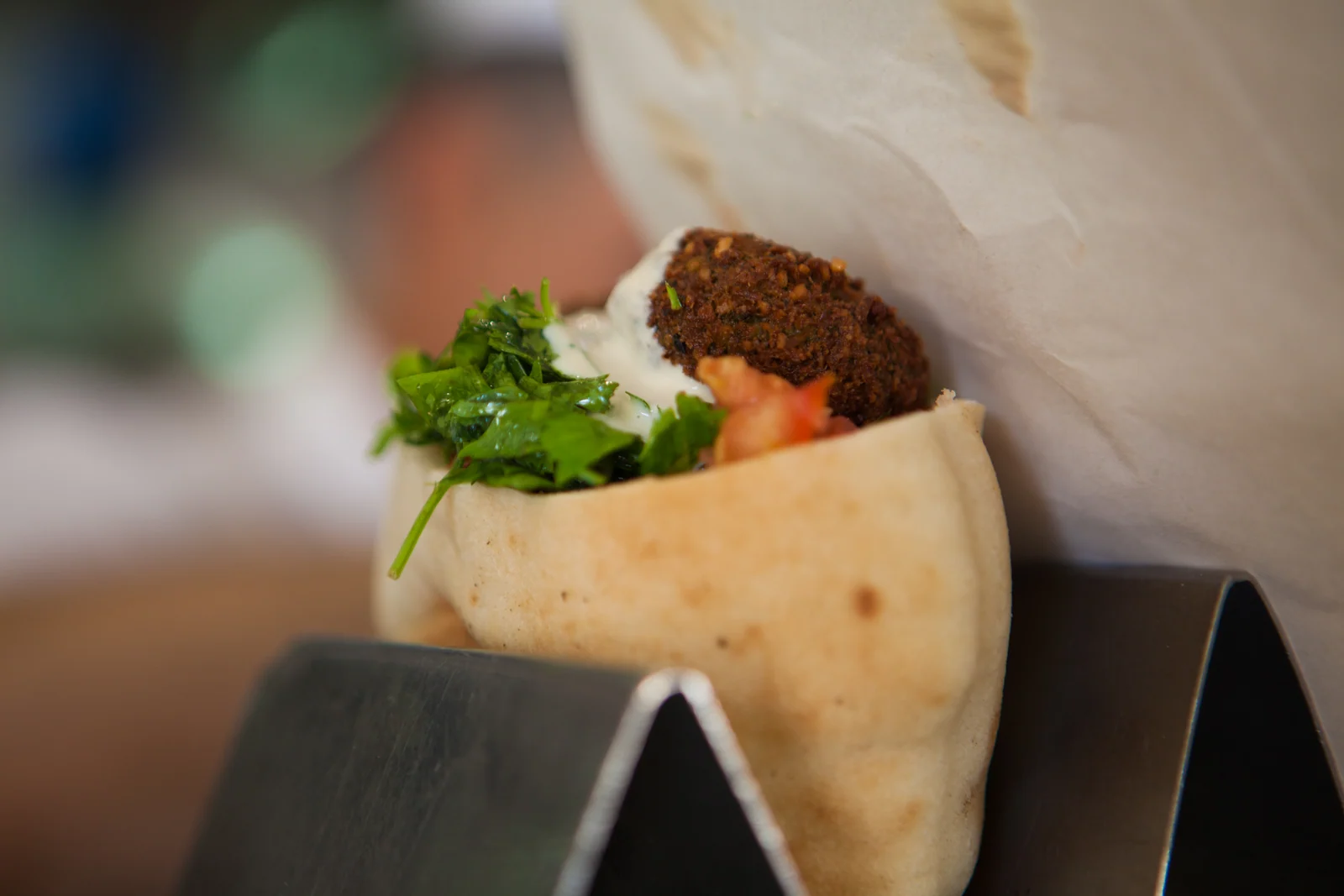
Questions worth asking before you buy or bake
Is batbout the same as Moroccan pita?
“Moroccan pita” is a useful English description of batbout’s pocket-bread role. Taste of Maroc uses that description. It doesn’t mean every pita recipe and batbout recipe has the same flour blend or cooking method.
Does batbout always contain semolina?
The two batbout methods linked here include fine semolina or durum flour. If you’re baking, follow the flour blend in your chosen recipe. If you’re buying, ask about that particular batch rather than treating the name as an ingredient list.
Can pita be made without an oven?
Yes. King Arthur’s workbook includes a skillet version alongside its oven method. Choose a recipe written for that equipment and follow its cooking instructions.
Which bread is healthier?
The names alone don’t settle that. Compare the ingredient list, serving weight and any filling or topping. A small plain bread and a large filled sandwich aren’t equivalent portions, even if both start with a pocket.
Which one should I choose first?
Choose batbout if you’re curious about Moroccan pan bread and want to work at the stovetop. Choose pocket pita if you want that style of sandwich bread and have a suitable recipe or bakery nearby. For either, buy or make a small batch first: the best choice is the one that suits the meal you actually want.
Cover photograph credit
The cover photograph is Batbout by مصطفى ملو, CC BY-SA 4.0. Resized, converted to WebP and displayed with a cover crop; the image versions retain CC BY-SA 4.0. All photographs on this page are free to reuse under their linked licenses, which require credit and share-alike terms for adaptations. They are licensed photographs, not public-domain images.